How to Get Married in Dharmasthala Holy Shrine: Complete Guide to a Sacred Wedding Ceremony

Plan a sacred marriage in Dharmasthala holy shrine. Learn temple wedding procedure, rules, documents, costs and booking tips for a simple, traditional ceremony.

How to Get Married in Dharmasthala Holy Shrine: Complete Guide to a Sacred Wedding Ceremony

Introduction

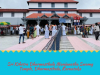
Dharmasthala is one of the most sacred places in Karnataka for temple marriages. Couples from across the state come here seeking a wedding that is simple, traditional and filled with devotion rather than show. At the holy shrine of Lord Manjunatha, marriage is seen as a sacred samskara, performed in front of the deity and the dharmadhikari’s blessings, not as a commercial event.

Many families who want a peaceful, budget friendly and spiritually meaningful ceremony choose Dharmasthala temple marriage instead of a noisy city wedding. The atmosphere, free meals and seva based system make it easier to focus on prayer, gratitude and family. In this guide, you will learn how to plan a marriage in Dharmasthala - step by step procedure, rules, documents, marriage hal in Dharmasthala costs, halls and common questions - so you can prepare calmly and respectfully. This article is written to be practical, clear and respectful of temple traditions.

Why Choose Dharmasthala for Marriage?

Key reasons to choose a Dharmasthala temple marriage:

· Spiritual importance of Lord Manjunatha’s darshan and blessings at the time of muhurtha

· Centuries old cultural tradition of performing samskaras in this kshetra, followed by devotees from all over Karnataka

· Simple, non commercial setting – no forced packages, no unnecessary expenditure on décor and sound

· Free anna prasada, clean surroundings and separate spaces for rituals, stay and darshan queues

· Affordable compared to city wedding halls, with basic arrangements suited for middle class and joint families

· Peaceful village and riverside ambience near Ujire and Belthangady that keeps the mind calm on your wedding day

· A transparent system run by the temple trust, which gives many parents confidence about discipline and safety

Types of Wedding Ceremonies at Dharmasthala

Many couples believe that "marriage in Dharmasthala" follows a single, set format, although the shrine actually offers a few straightforward variations that are all based on traditional Hindu rites and Lord Manjunatha's sannidhi. You can select the style that best suits the practical requirements and expectations of your family.

1. Temple marriage with basic rituals

This is the most common Dharmasthala temple marriage format. The couple exchanges garlands, performs sankalpa, ties the mangalsutra and takes blessings from the priests and elders. Rituals are kept short and simple, ideal for families wanting a devotional yet uncomplicated ceremony.

2. Traditional Hindu wedding with extended homa

Some families arrange a more detailed Dharmasthala holy shrine marriage with homa, kanyadana, sapthapadi and gotra-based rituals. This usually requires more time, prior planning and coordination with the temple-approved priests or family purohit.

3. Simple, registration-focused ceremony

A few couples complete most legal formalities separately under the Special Marriage Act and come to Dharmasthala mainly for a short religious ceremony and blessings. This suits those wanting a quiet, simple wedding without large gatherings.

4. Inter-caste or inter-region marriages

Dharmasthala is known for welcoming sincere devotees. Inter-caste or different-language marriages are generally possible when families agree, documents are in order and temple guidelines are followed with respect.

Step-by-Step Process to Get Married in Dharmasthala

If you are wondering how to get married in Dharmasthala, it becomes easier when you follow a clear order. This outline reflects the usual flow for a Dharmasthala temple marriage; always reconfirm details with the temple office.

Decide the wedding month and date

Check family horoscopes, speak to your family purohit and shortlist a few auspicious dates. Avoid major festival days unless elders insist.

Contact the temple or a marriage helpdesk

Call the Dharmasthala office or an authorised marriage helpdesk to check rules, timings and best marriage halls availability. Decide whether you want a separate hall or a simple common ceremony.

Gather required documents

Prepare passport-sized photographs, basic address information, Aadhaar card copies of the bride, groom, and parents, and age verification or a school certificate. These are typically required for Marriage hall booking in Dharmasthala and verifying Dharmasthala marriages.

Book the marriage hall and rooms

If you choose an individual hall, block it for your preferred date and session within the permitted temple marriage hours. Pay the advised advance or donation amount and keep the receipt and contact number safely.

Reach Dharmasthala one day early

Arrive with parents and key relatives at least a day in advance. Meet the office staff, confirm your slot, take darshan of Lord Manjunatha and brief relatives about next-day timings.

Complete acceptance and special pooja

On the scheduled day, the couple stands before the deity for sankalpa and special pooja as guided. Carry original IDs and booking receipts as instructed.

Perform the wedding ceremony

Move to the allotted hall at the fixed muhurtha. Temple priests or your family purohit guide mangalsutra tying, garland exchange, and homa, if planned. Maintain a simple dress code and follow instructions calmly.

Collect proof for legal registration

After marriage, collect the receipt or letter given. Dharmasthala does not issue a government marriage certificate, so couples must register later at their local Sub-Registrar’s office using this proof, photographs and witness documents.

Documents Required for Dharmasthala Marriage

Keeping your papers ready makes Dharmasthala temple marriage smooth and stress free. Requirements can change, so always reconfirm with the temple office, but usually you will need:

· Bride’s ID proof

· Aadhaar card is the most commonly asked. A passport or voter ID can be kept as backup.

· Groom’s ID proof

· Aadhaar card (plus any one extra ID if advised by the booking office).

· Age proof (both sides)

· School leaving certificate / SSLC marks card, birth certificate or passport to prove that the bride is 18+ and the groom is 21+.

· Parents’ ID proof

· Aadhaar photocopies of the bride’s and groom’s parents are usually mandatory for Dharmasthala marriage booking and acceptance.

· Address proof

· Aadhaar, voter ID, driving licence or bank passbook copy for at least the bride and groom, if specifically requested.

· Passport-size photographs

· 4–6 recent photos of the bride and groom, plus a few extra for later registration at your home Sub-Registrar office.

· Witness ID proof (for later legal registration)

· Aadhaar copies of three witnesses, wedding invitation, hall receipt and marriage photos are typically needed when you register the marriage in your hometown.

Rules & Guidelines for Marriage at Dharmasthala

Dharmasthala is a sacred kshetra, so a few clear rules apply for all weddings. The temple expects simple, traditional dress - men in panche or white dhoti and shirt, women in decent saree; jeans, shorts and loud western outfits are discouraged. Alcohol, smoking, non-veg food and loud music are strictly not allowed anywhere near the shrine or marriage halls. Couples and families are requested to arrive early, stand in the right queues and follow the instructions of volunteers and temple staff without argument. Photography is normally allowed only in the marriage hall and outside areas, not inside the main sanctum, so always ask before using mobiles or cameras. Guests should be limited to a manageable number as the halls are meant for multiple families in a day, not big city-style receptions. Keep the ceremony simple, avoid throwing flowers and plastic waste, and respect separate arrangements for darshan, meals and accommodation.

Cost of Getting Married in Dharmasthala

One reason many families choose a Dharmasthala temple marriage is that costs are predictable and comparatively moderate. There is no compulsory “wedding package” like in big city halls. Instead, you make a voluntary donation to the temple, pay for a simple hall if required, and manage basic stay and travel. Exact amounts change over time, but a rough idea helps you plan.

Expense Head

Approximate Range (Per Marriage)

Temple donation / sevas

₹2,000 – ₹5,000+

Marriage hall (simple hall)

₹5,000 – ₹15,000

Priest dakshina (optional extra)

₹1,000 – ₹3,000

Basic lodge / rooms (per day)

₹800 – ₹2,000 per room

Food & snacks (if not relying only on anna prasada)

As per family plan

Many couples keep the whole Dharmasthala simple wedding ceremony within a reasonable middle-class budget by inviting limited guests, using temple meals and choosing modest rooms. Always confirm current charges with the temple office or lodge before fixing dates.

Marriage Hall & Accommodation Options Near Dharmasthala

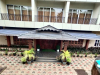
Most families combine a basic kalyana hall with adjacent chambers for a Dharmasthala temple marriage so that elders and family members can rest in comfort. Large guest house complexes like Nethravathi, Rajathadri, and Sahyadri, which provide tidy, basic AC and non-AC rooms within walking distance of the temple, are managed by the Dharmasthala trust itself. Only a limited number of rooms can be reserved online; the remaining rooms are available at the counter on a first-come, first-served basis.

Small and medium-sized marriage halls can be reserved for the ceremony via the temple administration or reliable organisers. Simple 50-seat halls, 250-seat halls with adjoining rooms, and auditorium-style venues near the main shrine are among the options. These are usually far more affordable than city hotels and are designed specifically for traditional weddings.

Families who prefer private stays can choose nearby lodges and hotels like Vaishnavi Comforts and other budget properties in Dharmasthala, Ujire or Belthangady, all within a short drive of the temple.

A practical approach is to block the marriage hall first, then immediately secure a mix of temple guest rooms and one or two nearby lodges for extra guests.

Best Time & Auspicious Dates for Dharmasthala Marriage

Weather wise, the most comfortable time for a Dharmasthala marriage is usually November to February, when the climate is cooler and there is less rain. Monsoon months (June to September) can be beautiful but slightly inconvenient for elderly guests due to heavy showers and slippery paths. Auspicious dates are normally decided based on your family astrologer’s guidance and the Hindu panchanga, then matched with the temple’s own crowd pattern and hall availability. Popular wedding months like April–May and December–January fill up early, especially on weekends, public holidays and special nakshatra days. A simple rule is: first confirm a few good muhurtha dates with your purohit, then contact Dharmasthala well in advance to see which of those dates and time slots are practically possible.

Dos and Don’ts for a Peaceful Temple Wedding

Dos

· Reach Dharmasthala at least a day early, complete darshan and confirm your marriage hall and timing with the office.

· Keep the wedding simple - a clean traditional dress, minimum jewellery and light flowers are more than enough in this holy place.

· Brief relatives about queues, hall location and basic rules so nobody argues with volunteers or staff on the wedding day.

Don’ts

· Do not bring alcohol, loud DJ systems or flashy décor items; they disturb other devotees and go against temple tradition.

· Avoid last minute changes in the muhurtha or hall, as multiple couples are scheduled every day.

· Do not litter, block pathways or push in darshan lines; remember that your Dharmasthala marriage is a seva, not a private event.

Frequently Asked Questions about Dharmasthala Marriage

1. Can non-locals get married in Dharmasthala?

Yes. Couples from any part of Karnataka or other states can have a Dharmasthala temple marriage, as long as they bring valid ID, age proof and follow the shrine’s rules. Most staff and announcements are in Kannada with some English, so carry key details neatly written.

2. Is it necessary to register?

Yes. The Dharmasthala ceremony is a sacred religious rite rather than a civil registration. For legal verification, you must then bring photos, an invitation, temple receipts, and witness IDs to the Sub-Registrar's office in your area. Only the official marriage document is recognised for passports, visas, bank accounts, and official jobs.

3. How many guests are allowed?

There is no single fixed number, but Dharmasthala marriage halls are designed for small to medium gatherings, not huge receptions. Most families keep about 30–100 close guests. If you expect more, inform the booking office so they can suggest a suitable hall and timing.

4. Is prior booking required?

Ideally yes. You should reserve the marriage hall and temple guest rooms in advance, especially for weekends, holidays and good muhurtha days. Walking in without prior booking may still allow a basic ceremony, but timings, hall space and stay arrangements become uncertain and stressful.

5. Is photography allowed?

Basic photography is usually allowed in the marriage hall and outer areas, but not inside the main sanctum of Lord Manjunatha. Use your camera respectfully, avoid harsh flash on priests or devotees, and do not block narrow pathways. Drone shots and heavy commercial setups are generally discouraged here.

Final Thoughts

For couples who prefer blessings over grandeur, Dharmasthala is the perfect place to get married. The entire day feels more serene and significant when the mangalsutra is tied in front of Lord Manjunatha and modest mantras are played instead of DJ music. Plan ahead for your Dharmasthala holy shrine marriage by confirming muhurtha with your purohit, contacting the temple office, reserving rooms and halls, and preparing the necessary paperwork. Make it clear to both families that this will be a straightforward, conventional wedding. After the preparation is complete, relax and treat your marriage as a sacred seva rather than a performance.

What's Your Reaction?

like

dislike

love

funny

angry

sad

wow